


Last updated: August 29, 2026 · By: Tim Morris
The best day trading books teach durable skills (risk control, trading psychology, and market mechanics) rather than a system to copy. Start with one title on discipline, add one on process and one on expectancy, and treat any book selling a secret system or a get-rich promise as a reason to skip it.
No single book turns you into a trader, and reading is the cheap part of the education. What good books do is shorten the list of expensive lessons you would otherwise pay for in the market. Read them in an order that builds mindset first, then process, then the mechanics you practise on a chart.
Looking for forex-specific titles instead, see our guide to the best forex books for beginners. This list is market-agnostic and built around day-trading discipline.
How to choose a day-trading book
The good ones share a few traits, and spotting them saves you from a shelf of expensive noise. They teach transferable skills (how to manage risk, how to think under pressure, how markets actually move) instead of one rigid setup to memorise. They are honest about losing, because losing is part of every real method. And they were written by people with a track record you can check, not an anonymous voice promising a shortcut.
A useful test is the promise on the cover. A book that offers a skill (patience, sizing, reading order flow) is worth your time; a book that offers a number, like a monthly income or a win rate, is selling you a feeling. Skills survive changing markets. Systems sold as secrets tend to stop working the moment enough people buy them.
One more filter: does the author show their losing trades? The writers worth reading walk you through trades that went wrong and what the mistake cost, because that is where the lesson lives. A book with only winners on every page is a sales brochure, not an education.
Match the book to your stage as well. A raw beginner needs vocabulary and a mental model, so a primer and a psychology title come first; a trader with screen time needs process and expectancy to tighten what they already do. The same shelf serves you differently at each stage, so re-reading a good book a year later often teaches more than the first pass did.
Where to start and in what order
Build your reading list in three layers, and resist the urge to skip to tactics. The first layer is psychology and risk, because those decide whether you can follow any method at all. The second is process: how disciplined traders prepare, execute, and review. The third is expectancy and position sizing, the maths that tells you whether an edge is worth trading.
There is a reason the order matters. Tactics are easy to find and easy to copy, but without the mindset to hold a plan and the maths to size it, a good setup still bleeds an account. Reading in layers means each book lands on ground the previous one prepared, so the lessons compound instead of competing.
Classics and references sit alongside these layers rather than replacing them. A book from 1923 will not give you an entry trigger, but it will show you that the emotional traps are a century old. Keep one technical reference on the shelf to look things up, and treat it as a dictionary, not a novel.
What to read first: psychology and risk
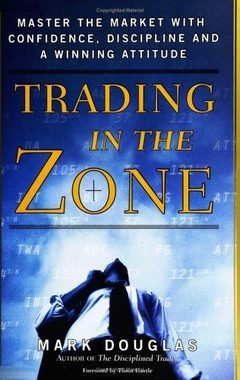
Start here, because the fastest way to lose an account is to trade a sound method with an unsound mind. Two books own this ground. Trading in the Zone by Mark Douglas reframes trading as a probability game, where any single trade means little and the edge only shows over a large sample. It is repetitive by design, and that repetition is the point: the ideas need to sink past your reflexes.
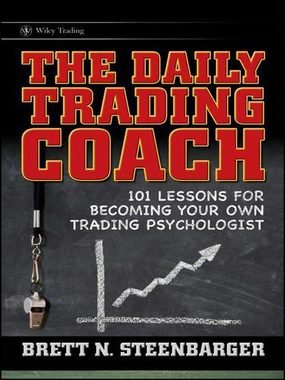
Pair it with The Daily Trading Coach by Brett N. Steenbarger, a psychologist who has coached traders at funds and prop desks. Built as 101 short lessons, it suits the daily grind: read one, apply it, and come back, while Douglas works on belief and Steenbarger hands you drills for self-review.
These two build the mindset; risk management gives it teeth. Before you size a single trade, work through the mechanics in our forex risk management for beginners guide, then let the books reinforce why a small fixed risk per trade is what keeps you in the game. Psychology and risk are two names for the same discipline: doing the boring, correct thing when your instinct screams otherwise.
For the emotional side specifically, our notes on forex trading psychology tips for successful traders distil the same lessons into a short read you can revisit before a session. Books plant the ideas; a checklist keeps them in front of you when it counts.
Then read: process and expectancy
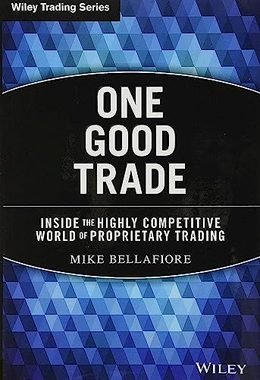
Once your head is in the right place, learn how professionals actually work. One Good Trade by Mike Bellafiore, a partner at the proprietary firm SMB Capital, takes you inside a trading desk and shows how new traders are trained, graded, and held to a process. Its follow-up, The Playbook, goes trade by trade through the setups his traders document, turning vague ideas into written, repeatable plans.
The lesson underneath both books is that a professional treats trading as a repeatable business, not a series of hunches. You keep a playbook of setups you understand, you score yourself on execution rather than outcome, and you cut trades that fall outside your plan. That habit of reviewing your own tape is the bridge between reading and skill.
What makes the prop-desk books land is that they are written from inside the work, not from the outside looking in. You watch a trainee take a loss, hear the feedback, and see the same setup traded better a week later. That loop of trade, review, and adjust is the engine of improvement, and no clever entry replaces it.
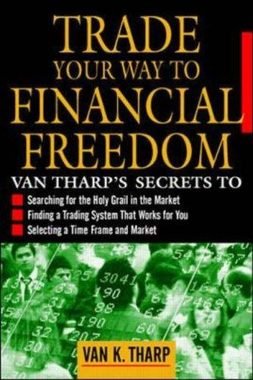
Next comes the maths that separates a method from a hope. Trade Your Way to Financial Freedom by Van K. Tharp puts expectancy and position sizing at the centre, arguing that how much you risk on each trade shapes your results more than the entry signal does.
Expectancy is the average you can expect per trade across wins and losses, and position sizing decides how hard each outcome hits your account. Tharp’s point reframes the game: a modest edge, sized correctly, compounds, while a strong edge, sized recklessly, still blows up. You do not need to love spreadsheets to take the lesson, only to accept that survival is a maths problem before it is a chart-reading one.
Classics worth your time
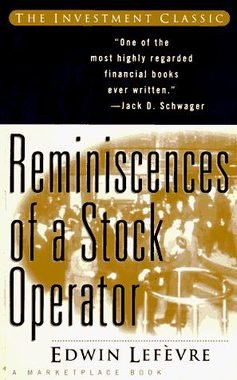
Some books earn their place by showing you that nothing about trader psychology is new. Reminiscences of a Stock Operator by Edwin Lefèvre, published in 1923, is a lightly fictionalised account of the speculator Jesse Livermore. Strip away the ticker tape and the lessons are current: the market punishes impatience, tips are worthless, and the hardest part is sitting still in a good position.
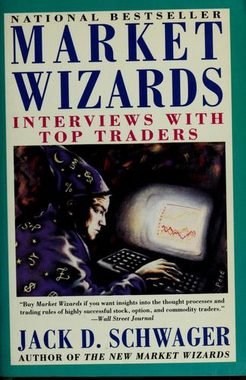
Market Wizards by Jack D. Schwager collects interviews with traders who made their names across futures, stocks, and currencies. No two trade the same way, and that is the point: there is no single correct method, only edges matched to a temperament, and every one of them has done plenty of losing.
These classics will not hand you a setup, and that is fine. Their job is perspective: to inoculate you against the belief that your emotions are unique or that a shortcut exists. If day trading starts to feel like a slot machine, that feeling is worth examining honestly, which is exactly what we do in is day trading gambling.
A reference shelf
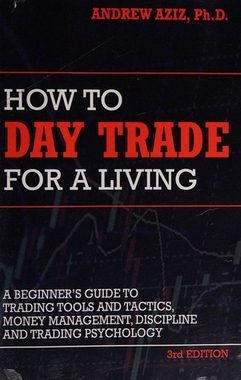
You do not read a reference cover to cover; you keep it within reach and look things up. How to Day Trade for a Living by Andrew Aziz is the common entry-level primer, and it earns a measured recommendation. It explains order types, risk per trade, and a handful of setups in plain language, which makes it a gentle on-ramp for a complete beginner.
Read it with a caveat, though. The book leans on US stock examples and one style of momentum trading, so treat the setups as illustrations rather than a method to trade live. Its real value is vocabulary and structure, not a strategy you should copy trade for trade.
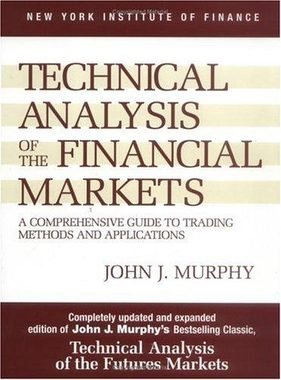
For a deeper technical reference, Technical Analysis of the Financial Markets by John J. Murphy is the standard desk copy. It catalogues chart patterns, indicators, and the logic behind them, so when a term comes up you have somewhere to check it. Use it the way you use a dictionary, to settle a question rather than to fill an evening.
Two references cover most gaps: a plain-language primer for the beginner and one thick technical volume for everyone else. Between them you can answer nearly any question about what a term means without buying a third overlapping title. Spend the money you save on screen time and a journal instead.
When you are ready to turn reference into practice, our day trading strategies for forex market beginners walks through concrete setups, and the top 5 best forex day trading strategies that work shows how traders combine them. Books give you the why; those guides give you a starting where.
What to skip and why
Skip anything that sells a secret. The market is not a locked box with one key, and a book claiming a hidden method that always wins is trading on your hope, not on evidence. If the cover promises a specific income or a near-perfect win rate, put it down. No honest author can promise what the market will do.
Be wary of the indicator holy-grail book, too. Any title built around a single indicator that supposedly signals every turn ignores the reason indicators lag: they are maths applied to past price. Stacking five of them does not remove that lag; it only hides it behind confidence.
Skip get-rich-quick memoirs that are thin on method and heavy on lifestyle. Screenshots of profits, rented cars, and round numbers tell you nothing about risk, drawdown, or whether the account survived the next month. The question of whether the effort pays off deserves an honest answer, which is why we wrote is day trading worth it rather than a highlight reel.
One more category to leave on the shelf: the book that is out of date in the wrong way. Perspective classics age well because human nature does not change, but a tactics book tied to a specific platform, broker feature, or market structure from a decade ago can teach habits that no longer fit today’s spreads and speed. Judge a tactics book by whether its logic still holds, not by whether the screenshots look modern.
Common mistakes when learning from trading books
- Reading for a system instead of a skill. Fix: Chase the transferable lesson (risk, psychology, process) and let the specific setups be examples, not a method to copy line for line.
- Collecting books but never journaling a trade. Fix: Pair every book with a trade journal, and review your own tape against the idea you read that week.
- Skipping the psychology titles to reach the tactics. Fix: Read the mindset and risk books first, because they decide whether you can follow any tactic at all.
- Trusting screenshots of profits as proof. Fix: Weigh an author by their track record and their honesty about losses, not by images that show only the wins.
- Treating a reference book like a novel. Fix: Use titles like Murphy’s to look things up, and spend your reading hours on the skill and psychology books instead.
- Believing a book replaces screen time. Fix: Read to shorten the learning curve, then practise on a demo before risking money, starting with our how to start forex trading for beginners walkthrough.
Frequently asked questions
What should I read to learn day trading?
Start with psychology and risk, move to process, then expectancy. A practical first three are Trading in the Zone for mindset, One Good Trade for process, and Trade Your Way to Financial Freedom for the maths of sizing. Add a classic like Reminiscences of a Stock Operator for perspective once the basics feel familiar.
What is the best day trading book for beginners?
For a complete beginner, Trading in the Zone builds the right mental model before you risk a cent. If you want a plain-language primer on order types and setups, How to Day Trade for a Living by Andrew Aziz is a common on-ramp, though its stock-focused examples should be treated as illustrations. Read the mindset book first and the mechanics primer second.
Are trading books worth reading?
Yes, with a realistic expectation of what they do. A book shortens your learning curve by handing you lessons other traders paid for, but it cannot give you screen time, discipline, or an edge on its own. Treat reading as the cheap first step, then earn the rest through practice and review.
What day trading books should I avoid?
Avoid anything promising a secret system, a specific income, or a win rate no method can deliver. Be cautious with single-indicator holy-grail books and get-rich-quick memoirs that show profit screenshots but hide risk and drawdown. If the cover sells a feeling rather than a skill, leave it on the shelf.
Can you learn day trading from books alone?
No. Books build knowledge, but skill comes from screen time, journaling, and reviewing your own decisions. Reading teaches you what to practise and why it matters, which makes your practice more efficient. Pair every book with a demo account and a trade journal so the ideas turn into habits.
What is the best book on trading psychology?
Trading in the Zone by Mark Douglas is the most cited starting point, because it drills the idea of thinking in probabilities until it changes how you act. For a more practical, drill-based approach, The Daily Trading Coach by Brett Steenbarger offers 101 short lessons you can apply one at a time. Many traders read Douglas first for the framework, then Steenbarger for the daily habits.
Do I need forex-specific books to day trade forex?
Not to learn the durable skills, which are the same across every market. Risk, psychology, process, and expectancy travel with you. What forex adds is mechanics: pairs, pips, sessions, and swaps, and those are better learned from focused guides than from a general book. For titles aimed at the currency market, see our separate list on the best forex books for beginners, linked near the top of this page.
How many trading books should I read before I start?
Three well-chosen books beat a stack of twenty you skim. One on psychology, one on process, and one on expectancy give you a working foundation, and you can start practising on a demo while you read them. Add classics and references over time, but do not let reading become a way to postpone the harder work of trading.
Ready to put this into practice?
Open an account with a regulated broker and apply what you have learned. These are the three brokers we recommend:
Trading forex and CFDs carries a significant risk of loss and is not suitable for everyone. Broker links are affiliate links — we may earn a commission at no cost to you.